Top 10 Mistakes Waste Companies Make With Compliance And How To Fix Them Before 2026

Ready to Streamline Your WEEE Management?
See how WEEE Manager can help your business stay compliant and efficient.
The waste industry is about to go through one of the biggest changes it has ever seen. The UK is moving toward national digital waste tracking and by 2026 the industry will need stronger and cleaner data than ever before.
Many waste businesses think they are prepared. In reality a lot are not. Most problems come from the same small group of mistakes that get repeated again and again.
Here are the ten most common issues along with practical fixes you can act on right now.
1. Relying on paper notes and old filing systems
Paper has been the standard for years but it causes missing records unclear handwriting and slow audits.
This becomes a major problem under the 2026 rules.
Fix
Move to digital notes now. The transition is easier while you have time to train staff and adjust internal processes.
2. Keeping incomplete or inconsistent records
Missing signatures wrong codes unclear descriptions and incomplete notes create risk. Auditors notice instantly.
Fix
Use a system that forces required fields and keeps a full history of edits so nothing is lost or forgotten.
3. Not using correct waste codes
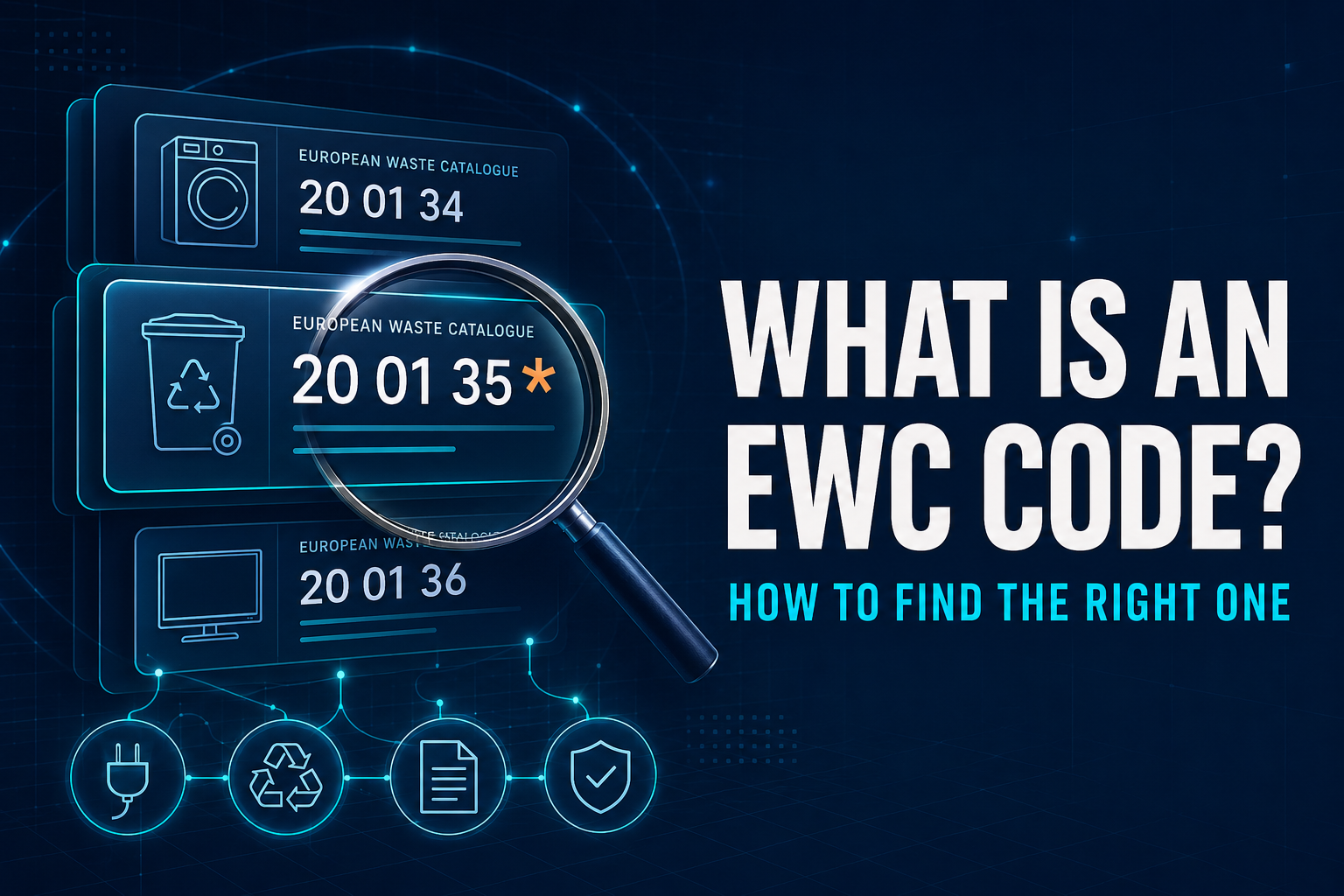
Incorrect or outdated EWC codes are one of the most common causes of compliance failure.
Many teams still guess codes or copy old ones without checking.
Fix
Create a clear list of the codes you handle. Keep it updated and make sure every driver or office staff member uses the correct ones.
4. Poor tracking of collections and movements
Loads get changed drivers get redirected and weights get updated but the paperwork rarely matches the reality.
This causes gaps that become a problem during checks.
Fix
Use a live system that updates movements in real time so the record always matches what actually happened.
5. Storing data in scattered places
Some notes are in folders some in vans some in email attachments and some in office drawers.
When you need information quickly it becomes chaos.
Fix
Centralise everything into one platform that stores all notes jobs invoices and documents in one place.
6. Forgetting to update expired licences and registrations
Waste carriers sometimes let registrations or permits go out of date then only notice when an audit is coming.
Fix
Set reminders inside your system so you always know when certificates are due for renewal.
7. Not preparing drivers for digital record keeping
Drivers are often the ones collecting notes yet many companies leave them out of compliance planning.
If they are not trained the whole process breaks.
Fix
Give simple training sessions and mobile tools drivers can actually use on the road including offline options.
8. No consistency between the office and the yard
Office staff enter details one way and yard staff enter them another.
When the data does not match inspections become stressful.
Fix
Create one standard workflow. Use software that keeps everyone working in the same format.
9. Waiting until the last minute to upgrade systems
Many companies plan to switch to digital in 2026 but by then the learning curve will be steep and mistakes will be costly.
Fix
Start now. Test digital notes on real jobs. Let your team get comfortable before it becomes mandatory.
10. Ignoring the coming digital tracking rules
Some companies believe the rules will not affect them or think they can adapt quickly at the last second.
This is the biggest mistake of all.
Fix
Learn the requirements study the timeline and put a digital compliance plan in place now. Being early removes pressure and protects your business from risk.
How WEEE Manager helps you fix all ten problems
WEEE Manager was built to solve these exact issues.
The platform gives you digital notes real time tracking driver tools automatic document storage licence reminders reporting and full preparation for the upcoming 2026 digital tracking changes.
You can bring your entire workflow into one system and make compliance simple instead of stressful.
Transform Your Waste Management Today
Join hundreds of businesses using our platform to simplify WEEE compliance, reduce costs, and save time.
No credit card required • Free consultation • Quick setup
Tags
Start Your Digital Waste Tracking Journey
Get started with professional waste management software. Request a demo or schedule a callback to learn more.