UK Waste Compliance Is Changing, Are You Ready for 2026?
Ready to Streamline Your WEEE Management?
See how WEEE Manager can help your business stay compliant and efficient.
If your business deals with waste collection, transport, disposal or recycling there’s a major change on the horizon. The days of paper-based waste-transfer notes are coming to an end.
📅 What’s happening and when
The UK government is rolling out a new national service Digital Waste Tracking Service (DWT) to replace traditional paper waste-transfer notes with a centralised, digital system.
GOV.UK
- The latest official timetable sets October 2026 as the date when DWT becomes mandatory for permitted or licensed waste-receiving sites.
- After that, the scheme is expected to expand (in 2027) to include waste carriers, brokers, dealers and exempt sites meaning nearly the entire industry must comply.
- Once fully in force, paper-based waste transfer notes and manual systems will no longer meet legal requirements.
In short: the days of handwritten waste-transfer notes or carbon-copy pads are numbered.
Why the change matters
The new digital waste tracking system aims to deliver major benefits across the sector and curb long-standing problems.
- 🛡️ Better compliance and traceability: Every waste movement from producer to treatment or disposal will be logged digitally with unique IDs, generating a clear, unbroken audit trail.
- 🚫 Reduced waste crime and illegal dumping: A standardised, transparent national system will make it much harder for unscrupulous operators to mis-classify waste, skip paperwork or fly-tip illegally.
- 📊 More accurate reporting & regulation: Regulators will have reliable, timely data, helping them enforce standards, monitor waste flows, and support the circular economy.
- 🧾 Simplified administration: For legitimate businesses, digital tracking reduces paperwork, manual record-keeping and human error saving time and cost in the long run.
Who is affected?
It’s not just the big waste companies. The DWT applies across the board:
- Licensed or permitted waste-receiving sites (recycling centres, treatment facilities, landfills, transfer stations) will be the first to fall under mandatory compliance from October 2026.
- Over time, the obligations will extend to carriers, brokers, dealers and exempt-site operators, meaning even small waste-haulage businesses, one-man-and-van operators, or local scrap collectors will need to comply.
- The regulation covers controlled waste commercial, industrial, and (when relevant) household waste handled by third-party operators whether hazardous or non-hazardous.
If you manage waste under any capacity, this change will affect you.
What happens if you don’t comply?
Once mandate enforcement begins, continuing to rely on paper-based waste transfer notes will leave you non-compliant. That risks regulatory penalties, potential refusal by receiving sites to accept your waste, and invalidation of waste-transfer documentation which could have serious business, legal and environmental consequences.
Delayed adoption also brings risk: as more companies migrate to DWT early, those still on paper may face operational bottlenecks, reduced credibility with clients or partners, and increased compliance scrutiny.
How to get ready and stay ahead
Because the change affects so many businesses and the transition timeline is tight, preparing early is smart. Here are key steps:
- Register and familiarise yourself with the upcoming Digital Waste Tracking regime watch for public-beta rollouts in 2026.
- Transition existing record-keeping systems (paper logs, spreadsheets, manual waste transfer notes) into a properly designed digital workflow.
- Ensure your drivers, staff and subcontractors understand the new process and use compliant tools for each waste movement.
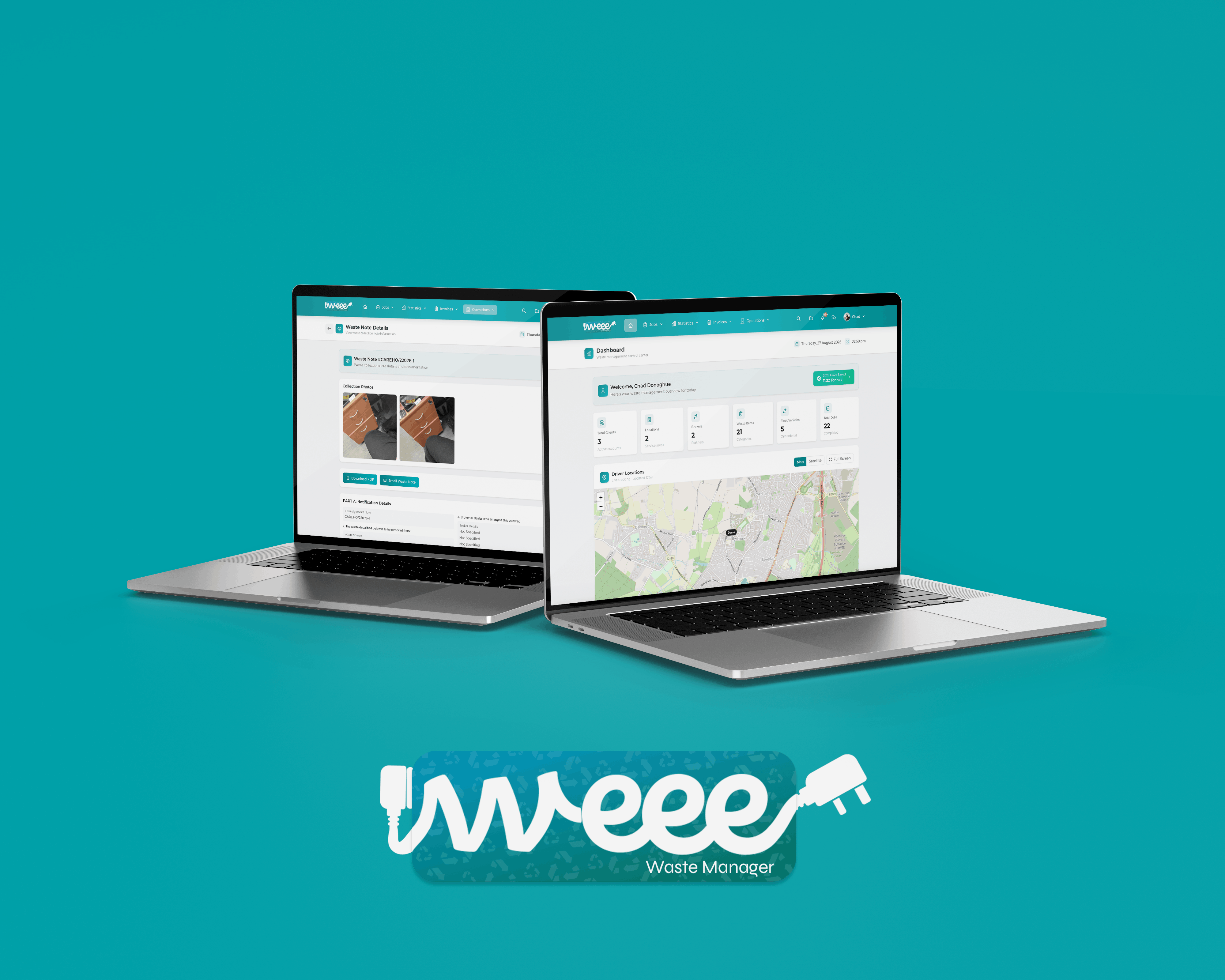
- Consider adopting a waste-management software solution designed for DWT compliance to manage waste notes, tracking, audit-ready records, client & broker management, and real-time visibility.
Why WEEE Manager Is Built for 2026 and Beyond
At WEEE Manager we’ve developed a digital, compliance-ready waste management system designed specifically for the new UK regulatory regime. Here’s how we help businesses stay ahead:
- Full digital waste-note management with unique IDs, detailed waste categorisation, and compliance-ready documentation.
- Client, broker and collection tracking so whether you’re hauling electronics WEEE, industrial waste or general commercial waste, every movement is recorded.
- Mobile-friendly driver app (with PWA support), enabling real-time data entry from van or site.
- Secure data storage, audit-trail generation and full transparency for regulators, clients or disposal sites.
- Optional plugins (invoicing, analytics, waste-processing) to bring your entire operations under one digital roof saving time, reducing paperwork and cutting administration costs.
With the DWT mandate looming, switching to WEEE Manager now means you:
- Avoid last-minute compliance scrambles and potential fines
- Give your business a competitive, professional edge especially for clients demanding full traceability
- Cut operational costs and paperwork overhead
- Future-proof your waste management workflows and ensure your long-term compliance
Don’t Wait Act Now
The shift to digital waste tracking isn’t just a regulatory burden it’s an opportunity to modernise your operations, improve efficiency, and strengthen compliance. But deadlines are coming fast.
If your business deals with waste, now is the time to act. Contact us at WEEE Manager to book a demo and see how easy the transition can be. Let’s make 2026 the year you go digital and stay compliant.
Visit: weeemanager.co.uk
Transform Your Waste Management Today
Join hundreds of businesses using our platform to simplify WEEE compliance, reduce costs, and save time.
No credit card required • Free consultation • Quick setup
Tags
Start Your Digital Waste Tracking Journey
Get started with professional waste management software. Request a demo or schedule a callback to learn more.