Case Study: Scrap Yard Going Live with Phase 1 Digital Waste Tracking
Illustrative example. This is an anonymised composite of typical site operations, not a named customer endorsement. Figures describe realistic outcomes, not a measured result from one business.
Check whether you have to report
Three questions cover the permit, the country, and whether you only carry waste. The result ends in a demo or a callback.
Check if you have to reportAnonymised composite based on typical scrap and metals receiving-site operations. Figures are illustrative of realistic outcomes, not a named customer endorsement.
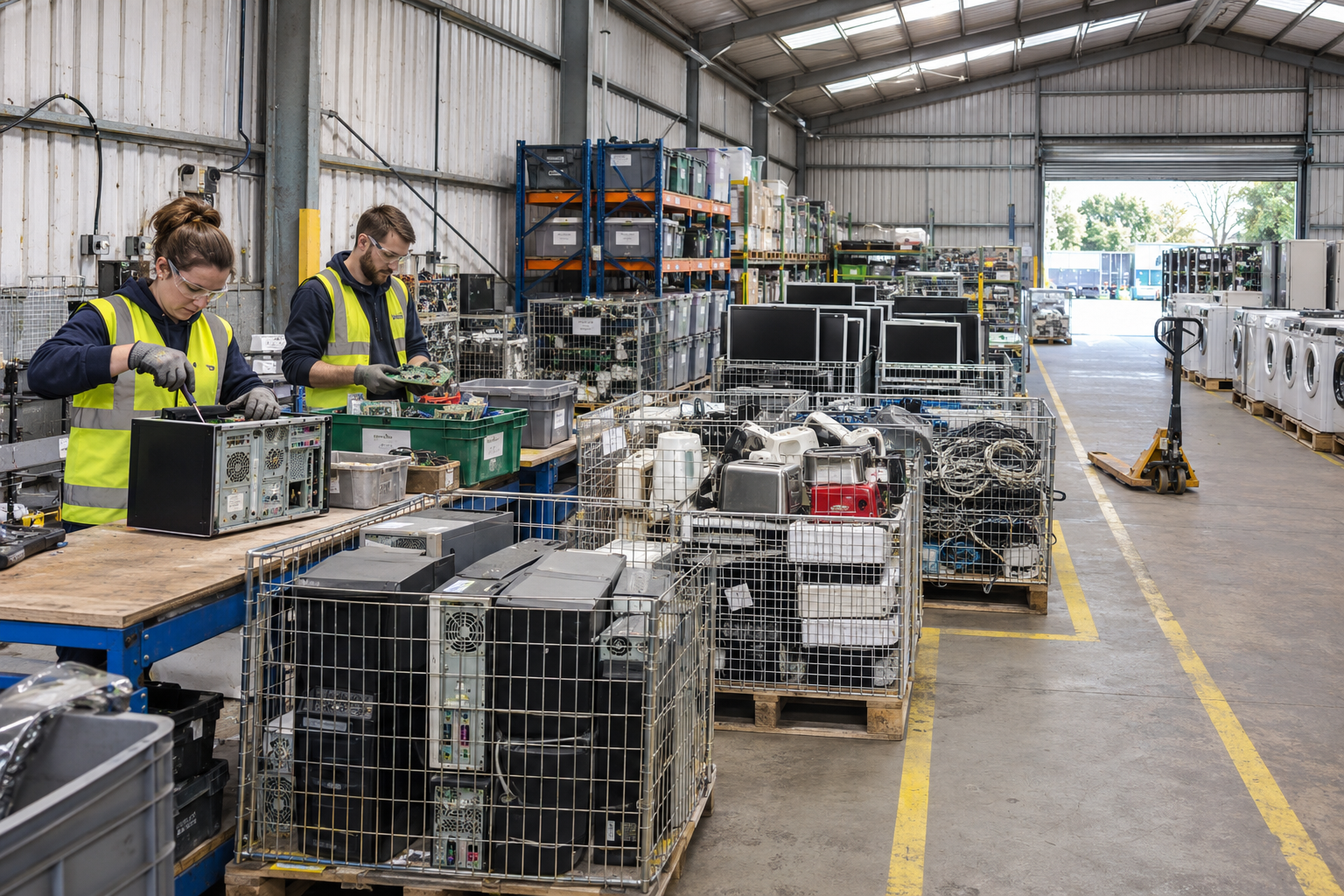
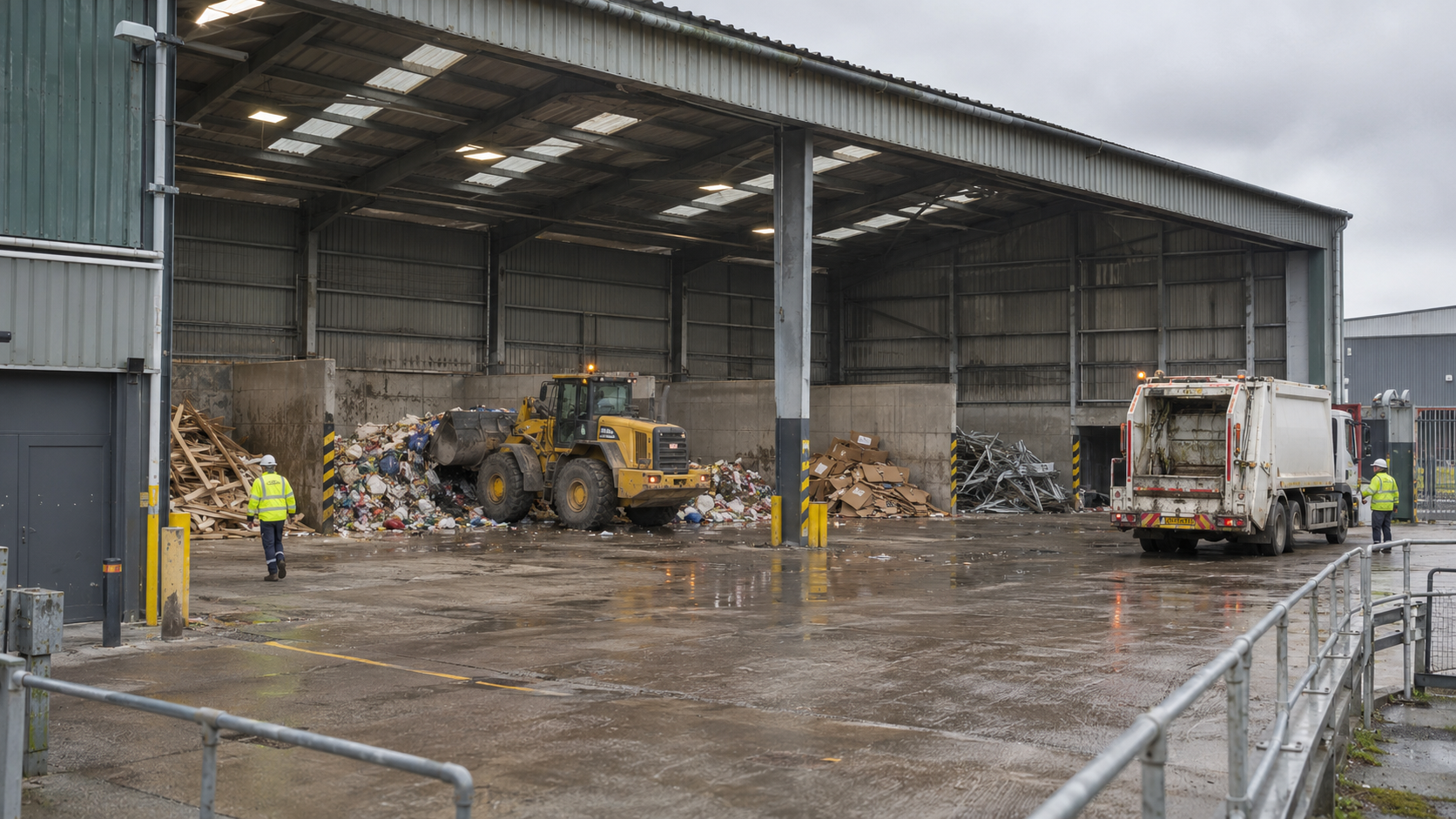
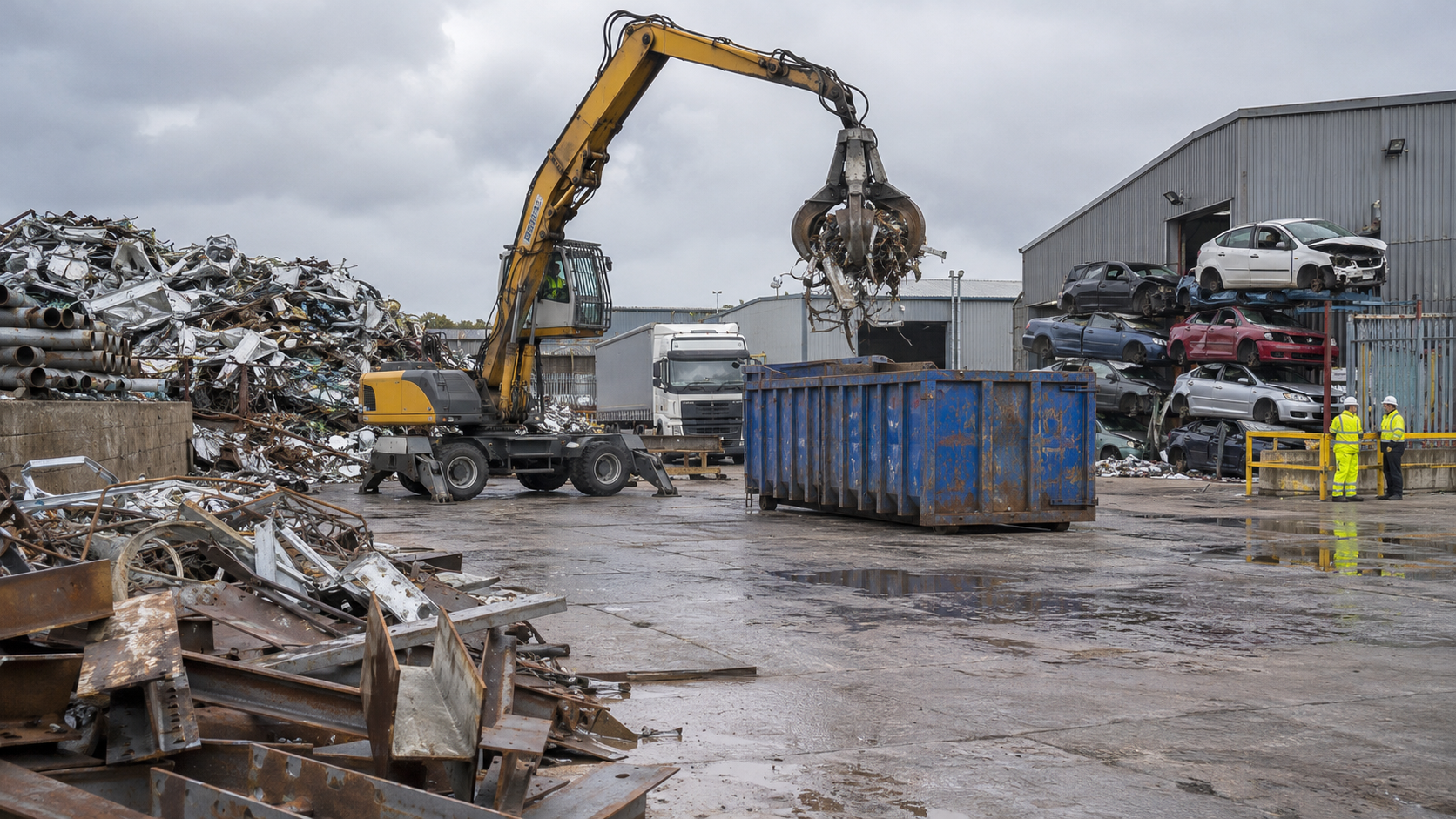
A mid-sized scrap yard in the Midlands — ferrous and non-ferrous intake, roughly 40–60 inbound loads on a busy day — treated waste paperwork as a end-of-day office job for years. Drivers dropped pads; the office typed what they could read. When Report Receipt of Waste became mandatory for England and Wales on 1 October 2026, that model broke.
The problem
The site held an environmental permit to receive metal wastes. Phase 1 applied. Gaps showed up immediately in a pre-mandate dry run:
- EWC codes were inconsistent (mixed metals vs iron and steel vs packaging metals)
- Carrier registration numbers were missing on a third of paper notes
- Office backlog meant some loads would have missed the two-working-day DWTS window
- There was no plan to share DWTS API credentials with software — only a vague idea of “using the spreadsheet”
What changed
The yard registered for the Digital Waste Tracking Service, paid the £26 entity fee, and shared API access with WEEE Manager. Weighbridge and yard staff captured inbound loads digitally: waste description, EWC, weight, carrier details and time. The same record supported the duty of care note and the DWTS submission.
Training focused on rejected loads — incomplete carrier details no longer left the cabin as “sort it later”.
Outcomes
- Gate-to-record time: typical inbound capture cut from next-day office typing to minutes at the weighbridge
- Compliance: inbound DWTS submissions aligned to the two-working-day rule for audited sample weeks
- Data quality: carrier registration completeness rose from roughly two-thirds to near-full on digital records
- Spreadsheet exit: temporary government upload used only during the first pilot week, then dropped
If you run a metals receiving site
Phase 1 is live in England and Wales. Confirm listing, API sharing and gate process before volume spikes. Start with waste receiving site software, digital waste tracking, and the DWTS checklist. Hosted WEEE Manager plans from £120 a month — pricing or register.
Phase 1 or Phase 2?
England and Wales receiving sites have been in scope since 1 October 2026. Carriers are planned for October 2027. Check which one applies to you.
No credit card required • Free consultation • Quick setup
Frequently Asked Questions
Tags
See if your site has to report to DWTS
The £26 a year DEFRA fee is the government charge per legal entity. Software is hosted from £120 a month, with no setup fee.